
A general physician plays an important role in maintaining overall health by diagnosing, treating, and managing a wide range of medical conditions. From common infections to long-term illnesses, general physicians provide the first level of medical care for patients of different age groups. Consulting a general physician at the right time can help identify health problems early, prevent complications, and support better long-term health.
Understanding the common conditions a general physician can diagnose and treat helps patients make informed decisions about their healthcare needs.
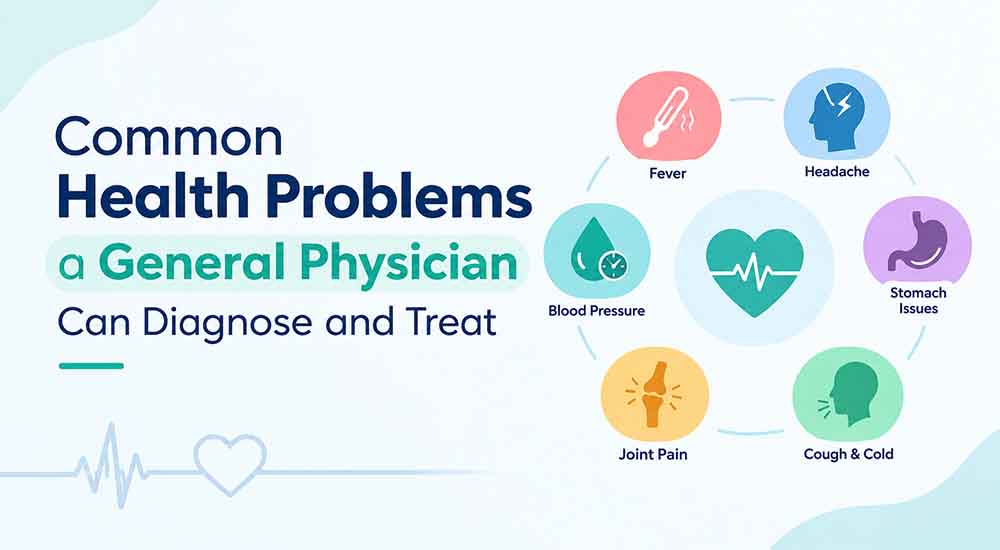
Fever is one of the most common reasons people visit a general physician. It may occur due to viral infections, bacterial infections, seasonal illnesses, or other underlying medical conditions.
General physicians evaluate symptoms such as fever, body aches, chills, fatigue, and weakness to identify the possible cause. Depending on the patient’s condition, they may recommend medications, diagnostic tests, hydration, and adequate rest. Persistent or high fever requires medical evaluation, particularly when accompanied by breathing difficulties, confusion, severe weakness, or dehydration.
Common respiratory problems include cough, cold, sore throat, nasal congestion, and mild breathing discomfort. These symptoms may result from viral infections, allergies, or other respiratory conditions.
A general physician examines the patient’s symptoms and medical history to determine the appropriate treatment. They may recommend supportive care, suitable medications, or further investigations when necessary. Persistent cough, chest pain, or difficulty breathing should not be ignored, as these symptoms may indicate a more serious condition.
Diabetes is a chronic condition that affects how the body regulates blood glucose levels. Common symptoms include excessive thirst, frequent urination, unexplained weight loss, and persistent tiredness, although some people may not experience noticeable symptoms.
General physicians can identify suspected diabetes through blood glucose testing and other recommended investigations. They also help patients manage the condition through lifestyle modifications, medication when appropriate, regular monitoring, and routine health assessments.
Early diagnosis and consistent management can reduce the risk of complications affecting the eyes, kidneys, nerves, and cardiovascular system.
High blood pressure, also known as hypertension, is a common condition that can increase the risk of heart disease, stroke, and kidney problems. It often develops without noticeable symptoms, making regular blood pressure checks important.
A general physician measures blood pressure, assesses cardiovascular risk factors, and recommends lifestyle changes or medication when needed. They may also evaluate cholesterol levels, blood sugar, weight, and family medical history to develop an appropriate preventive care plan.
Patients experiencing chest pain, severe breathlessness, or sudden weakness should seek urgent medical attention.
Digestive complaints such as acidity, indigestion, bloating, constipation, diarrhoea, and abdominal discomfort can interfere with daily activities and overall well-being.
A general physician assesses the symptoms, dietary habits, medication use, and medical history to determine possible causes. Treatment may include dietary adjustments, hydration, appropriate medication, or diagnostic testing. Persistent abdominal pain, blood in the stool, repeated vomiting, or unexplained weight loss requires prompt medical evaluation.
Headaches, muscle pain, back pain, and joint discomfort are other common reasons for consulting a general physician. These symptoms may be associated with stress, poor posture, infections, physical strain, or underlying medical conditions.
The physician evaluates the location, duration, severity, and associated symptoms before recommending treatment. Depending on the findings, patients may benefit from medication, rest, lifestyle changes, physiotherapy, or referral to a specialist.
Sudden, severe headaches or pain accompanied by neurological symptoms require emergency assessment.
Thyroid disorders can affect metabolism, energy levels, body weight, and mood. Similarly, deficiencies of iron, vitamin B12, or vitamin D may contribute to fatigue, weakness, or other symptoms.
General physicians may recommend appropriate blood tests to investigate these concerns. Treatment depends on the underlying cause and may include medication, dietary changes, or supplements when medically indicated.